The structural cost of stitched consoles
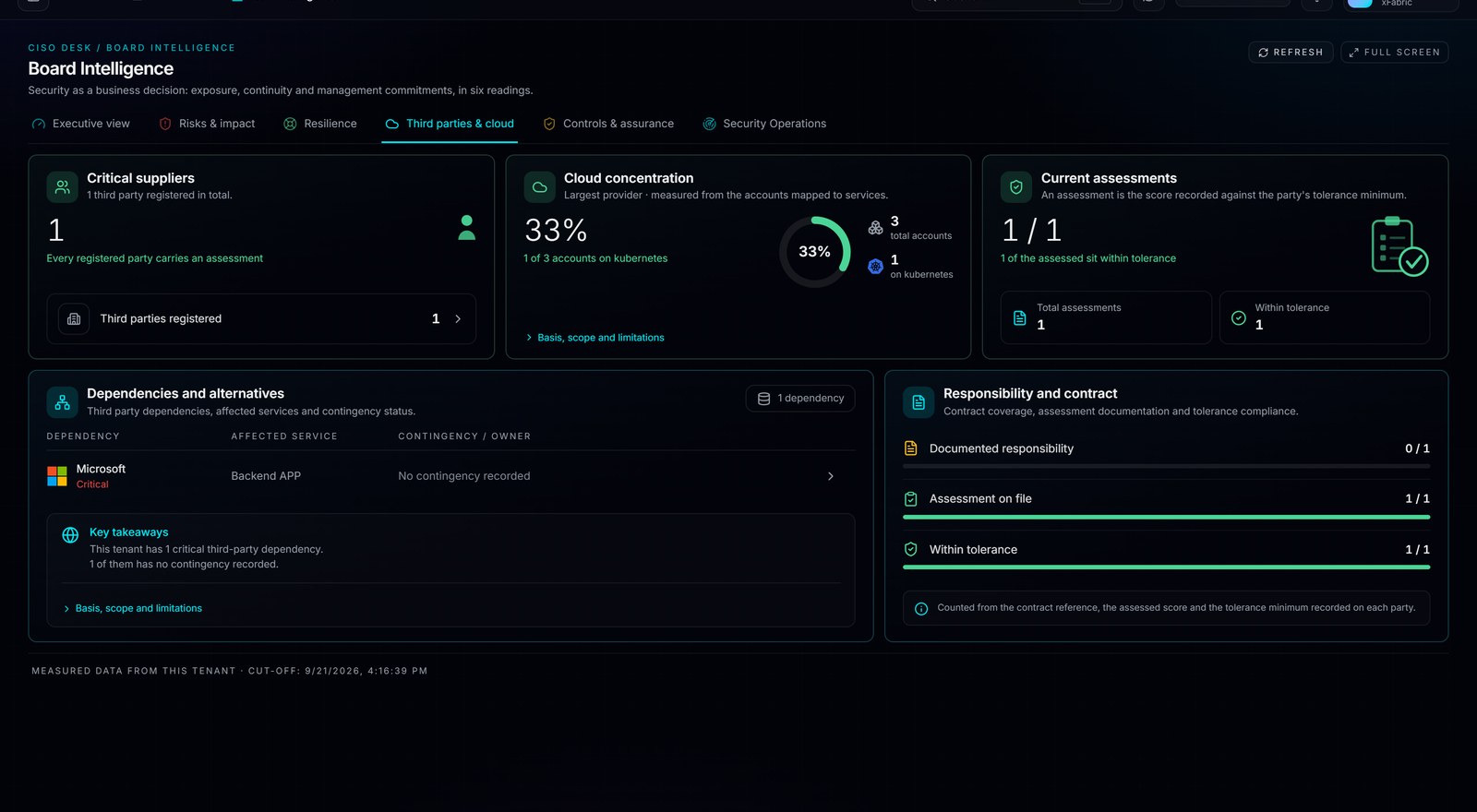
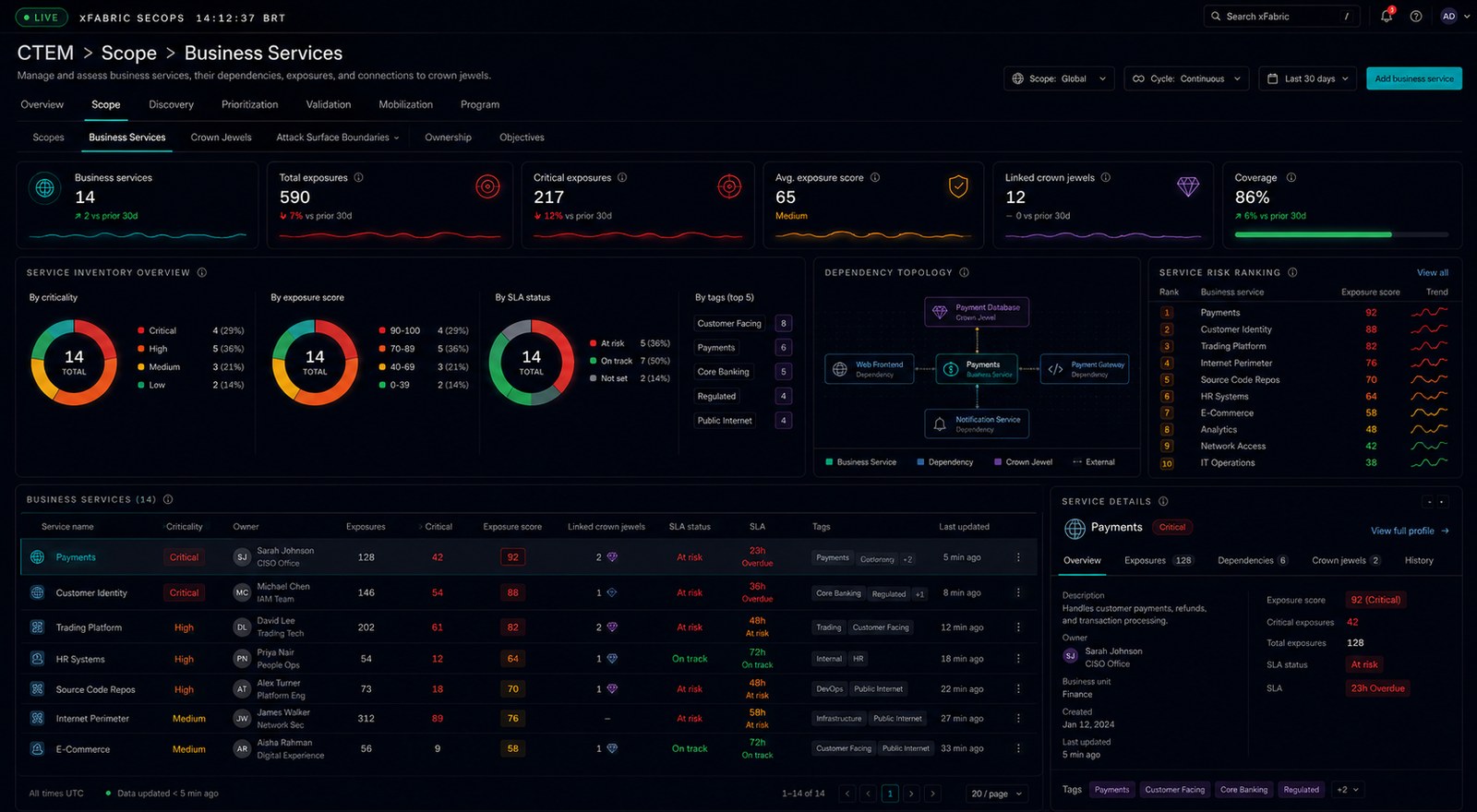
Operations running between six and twelve independent consoles carry a permanent tax: each product maintains its own asset identifier, retention window and severity vocabulary. Cross-domain correlation degrades into heuristics based on hostname, ephemeral address or approximate timestamp.
Investigation time therefore scales with the number of sources rather than the number of events. Analysts spend most of the interval between detection and containment rebuilding context that existed at the origin and was lost at the boundary between tools.
Consolidation starts at ingest
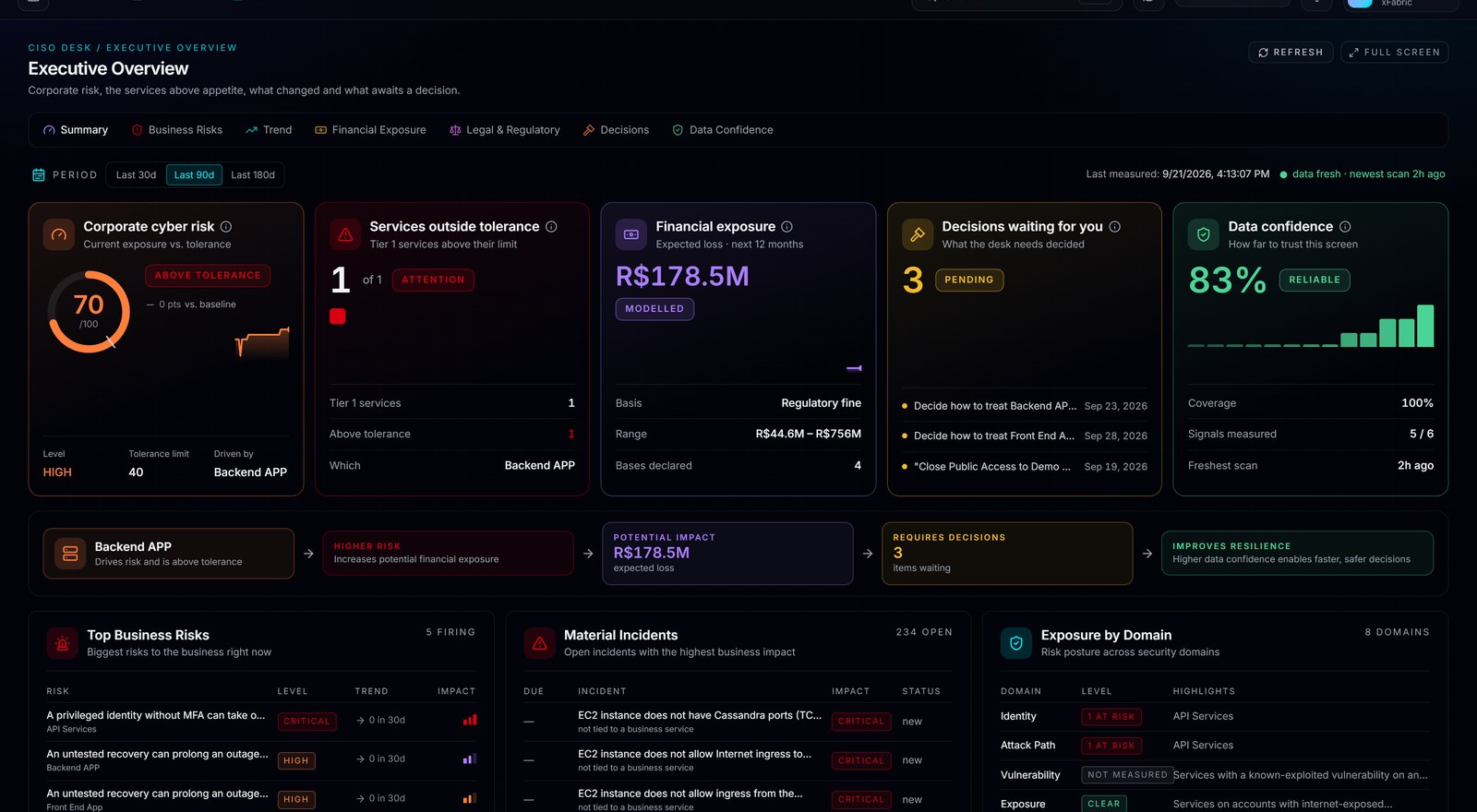
Every event — cloud API call, endpoint telemetry, identity log, posture finding, API transaction, model invocation — is normalized into a single schema with a stable asset key derived from the authoritative provider inventory.
With stable keys, correlation stops being probabilistic. A compromised credential in the identity provider, an anomalous API call and a suspicious process on the host converge on the same investigation object because they reference the same identifier, not because they happen to coincide in time.
- Single schema across every domain, enforced at ingest
- Business-impact severity, not source-inherited severity
- Complete event lineage retained for chain of custody
- Tiered retention with an immutable evidence archive
What changes operationally
Three effects are measurable within a quarter. Investigation time drops because scoping is computed rather than assembled. Evidence packages become reproducible because lineage is preserved end to end. And the marginal cost of adding a new telemetry source falls, because onboarding means writing one normalization mapping instead of building N integrations.
The fourth effect is organizational: a shared entity model gives cloud, endpoint and identity teams the same object to argue about, which is what makes joint ownership of remediation possible.
Where consolidation must not be absolute
Consolidation of the control plane does not mean replacing every enforcement point. Firewalls, identity providers, endpoint sensors and cloud-native guardrails remain where they are; the platform consumes their telemetry and drives them through documented actions.
Stating this boundary explicitly is what makes a consolidation program deliverable without a rip-and-replace phase that no operation can absorb.
- Control plane consolidated; enforcement points remain distributed
- Vendor-native guardrails retained and orchestrated, not duplicated
- Migration sequenced by telemetry source, with dual-run comparison windows