Plataforma de segurança enterprise — CSPM, SIEM, FW Log, XDR, SOAR, CNAPP e AI Sec em um único plano de controle.Falar com um especialistaSOC 2LGPDISO 27001BCB 4.893
Cybersecurity engineering, written by the people who run it
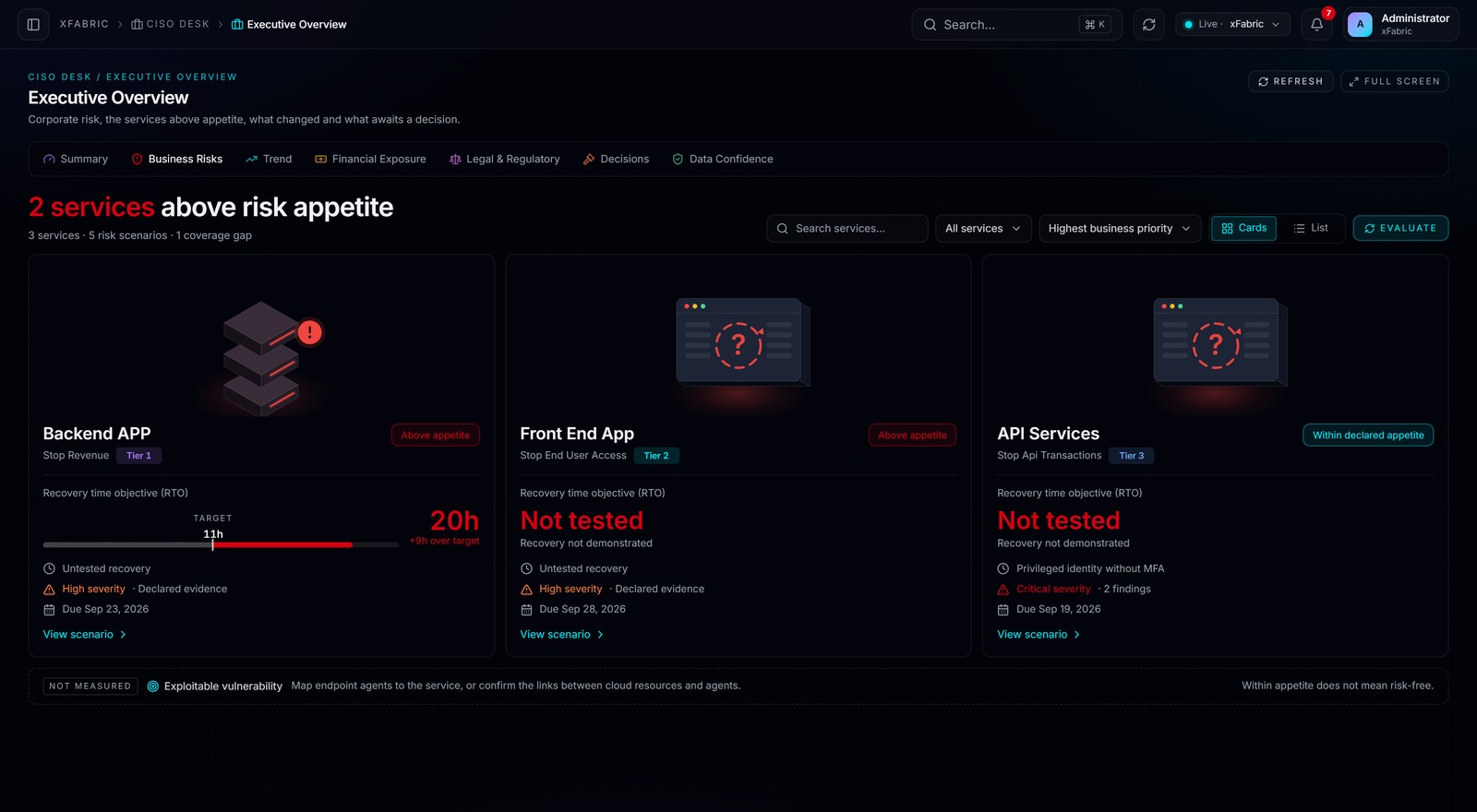
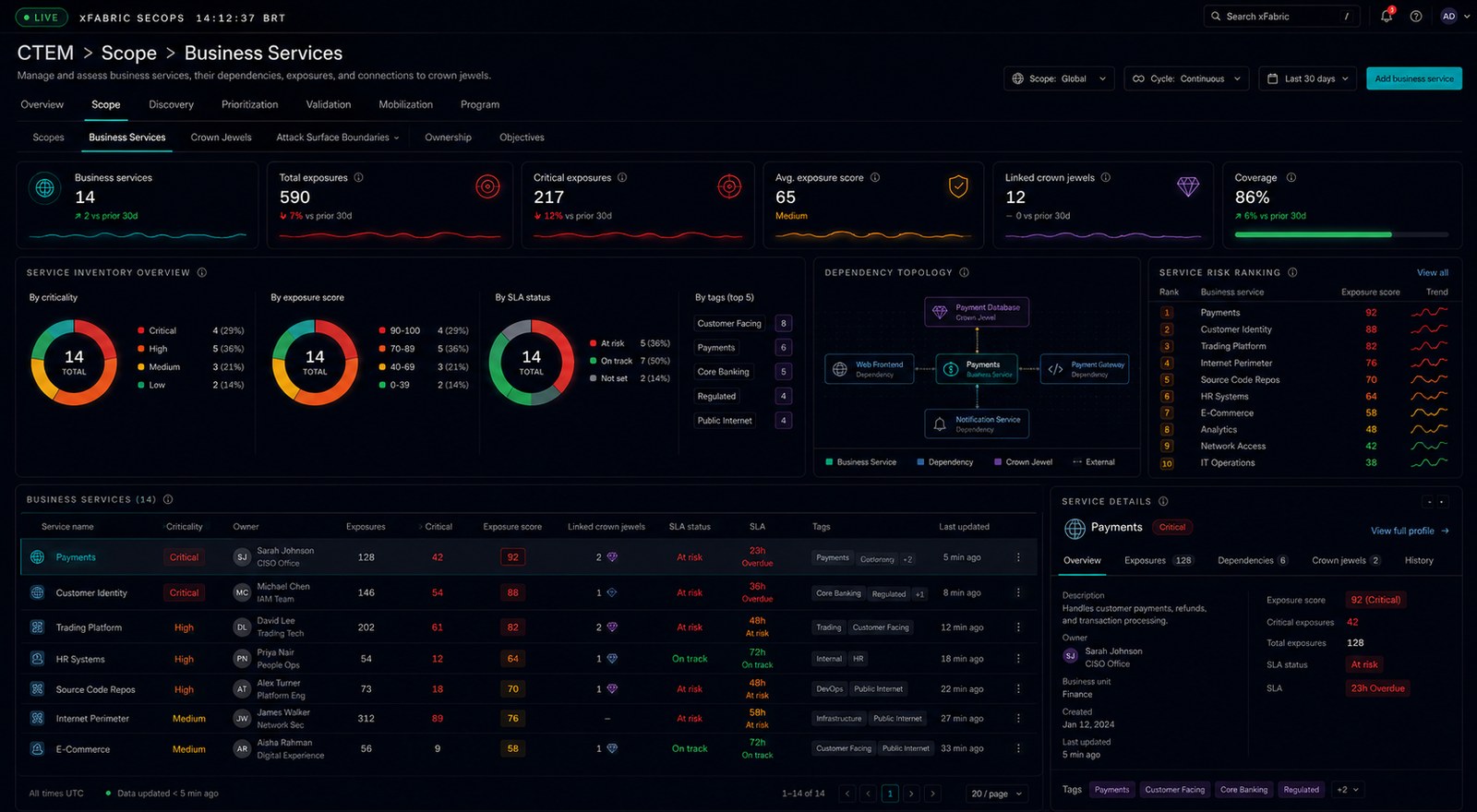
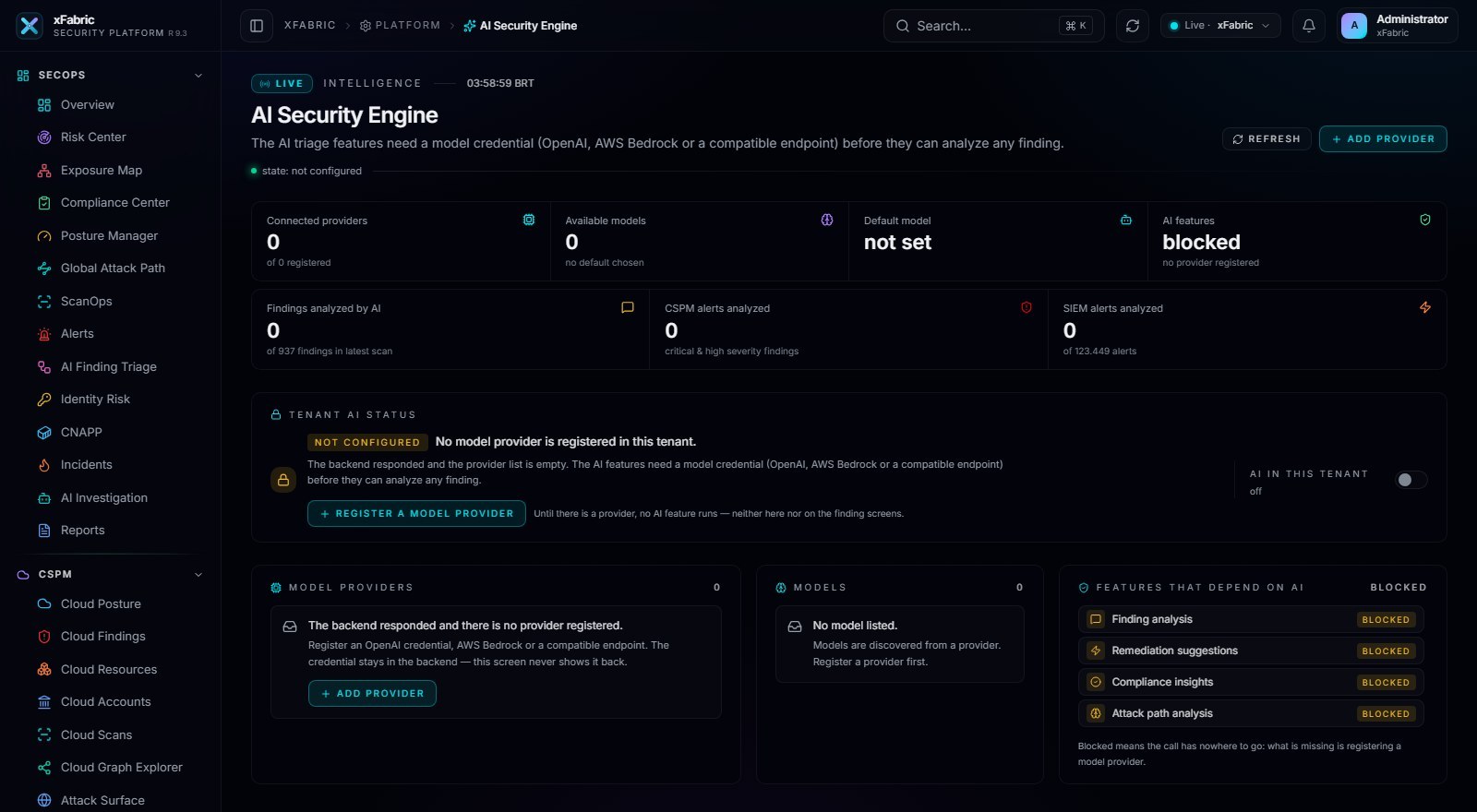
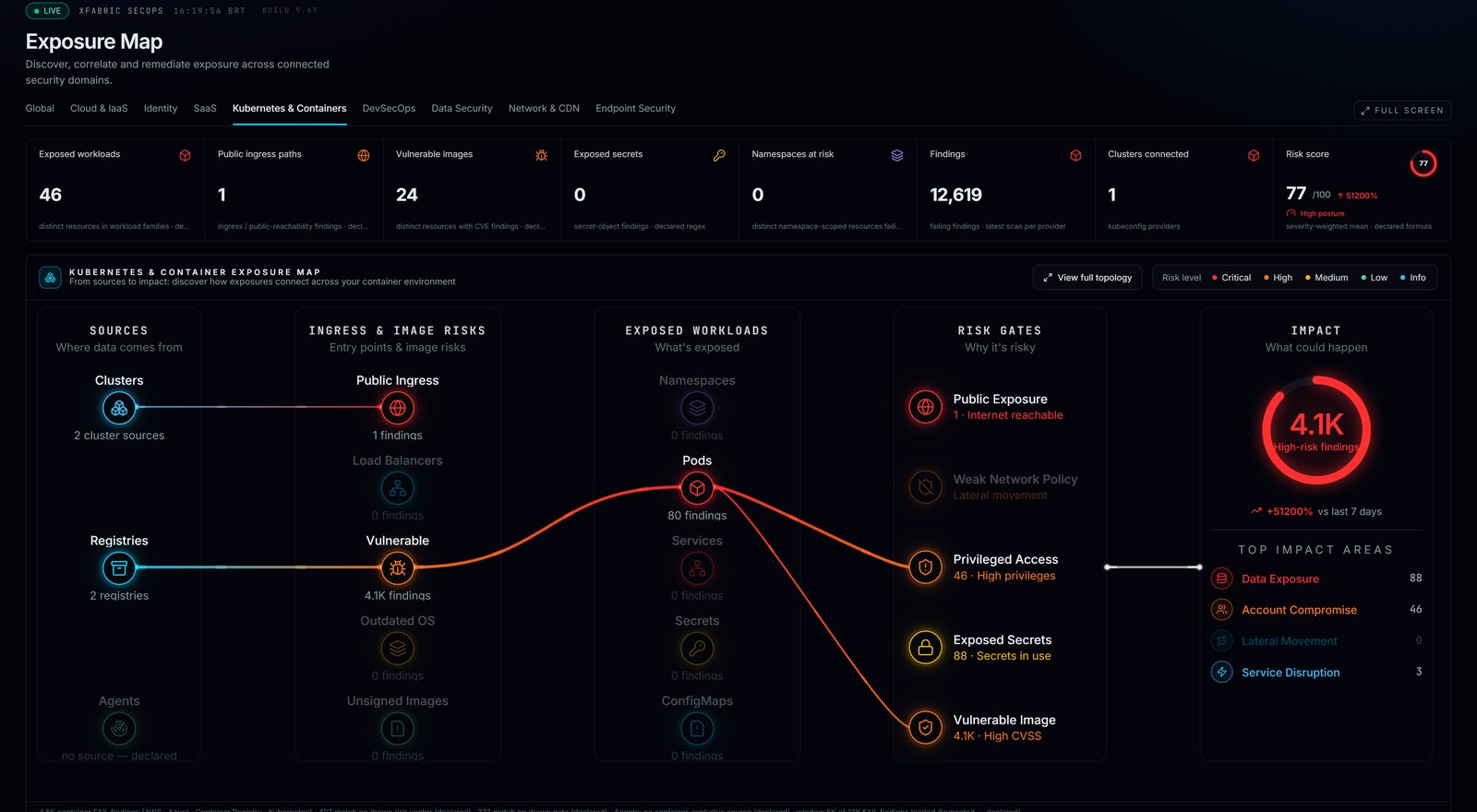
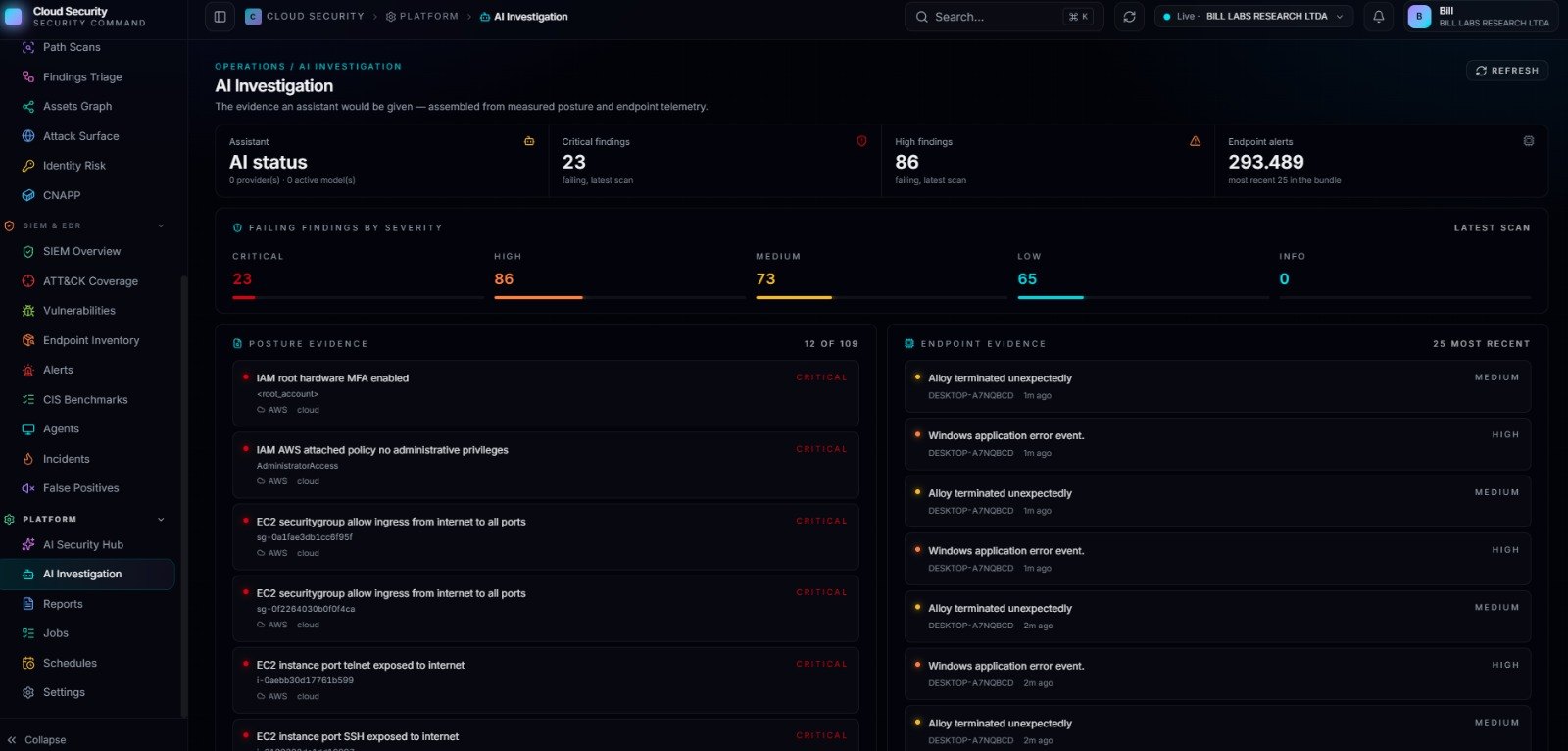
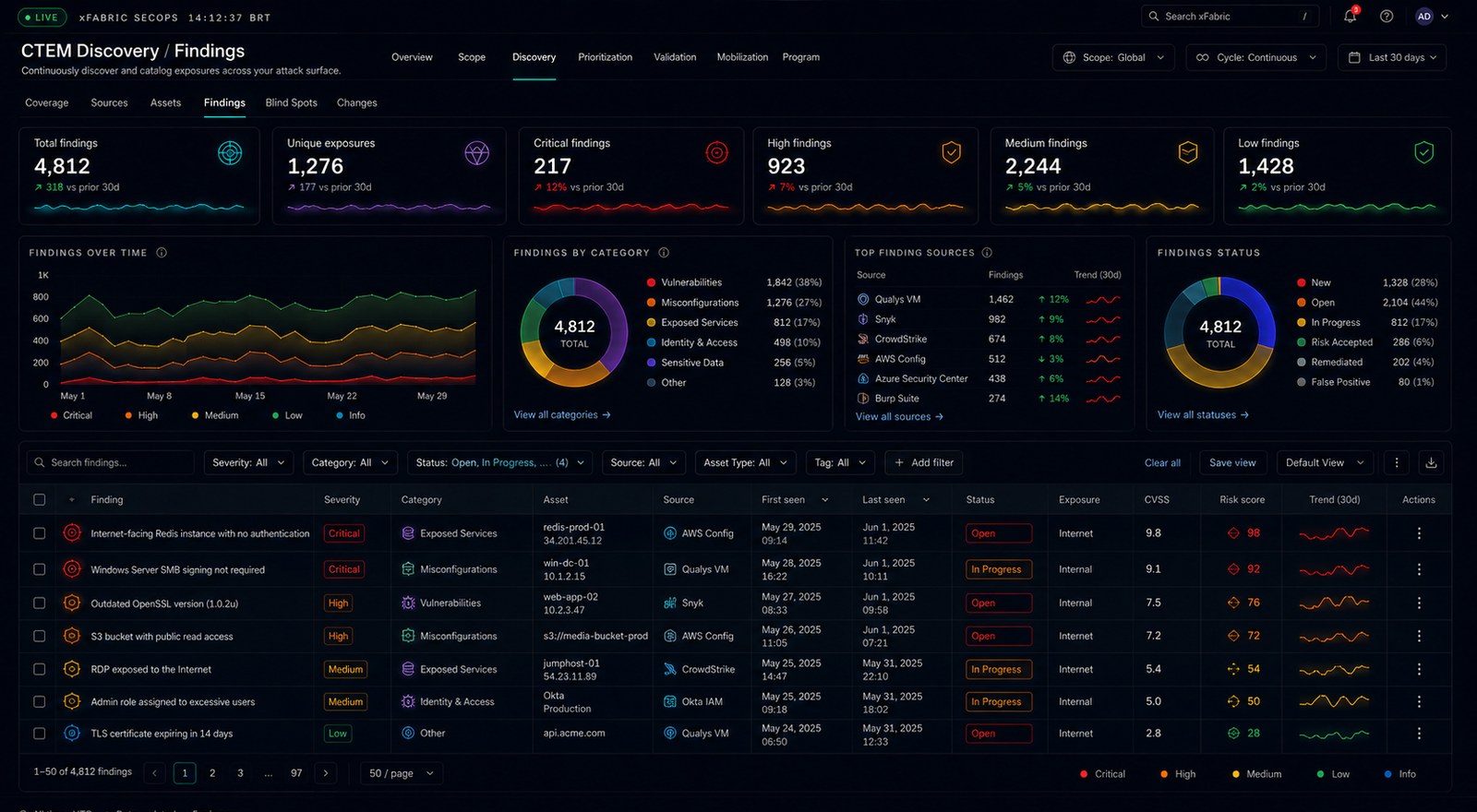
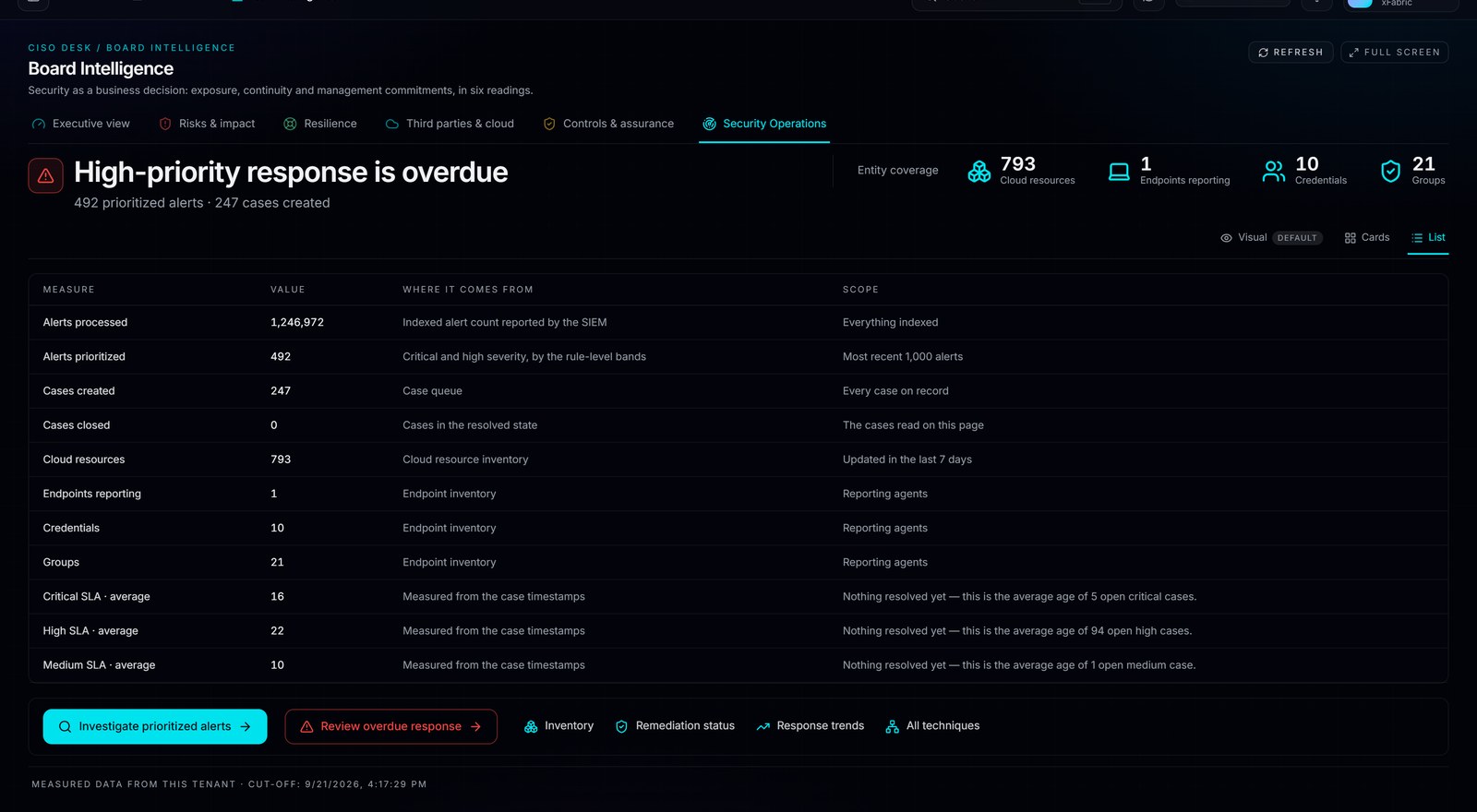
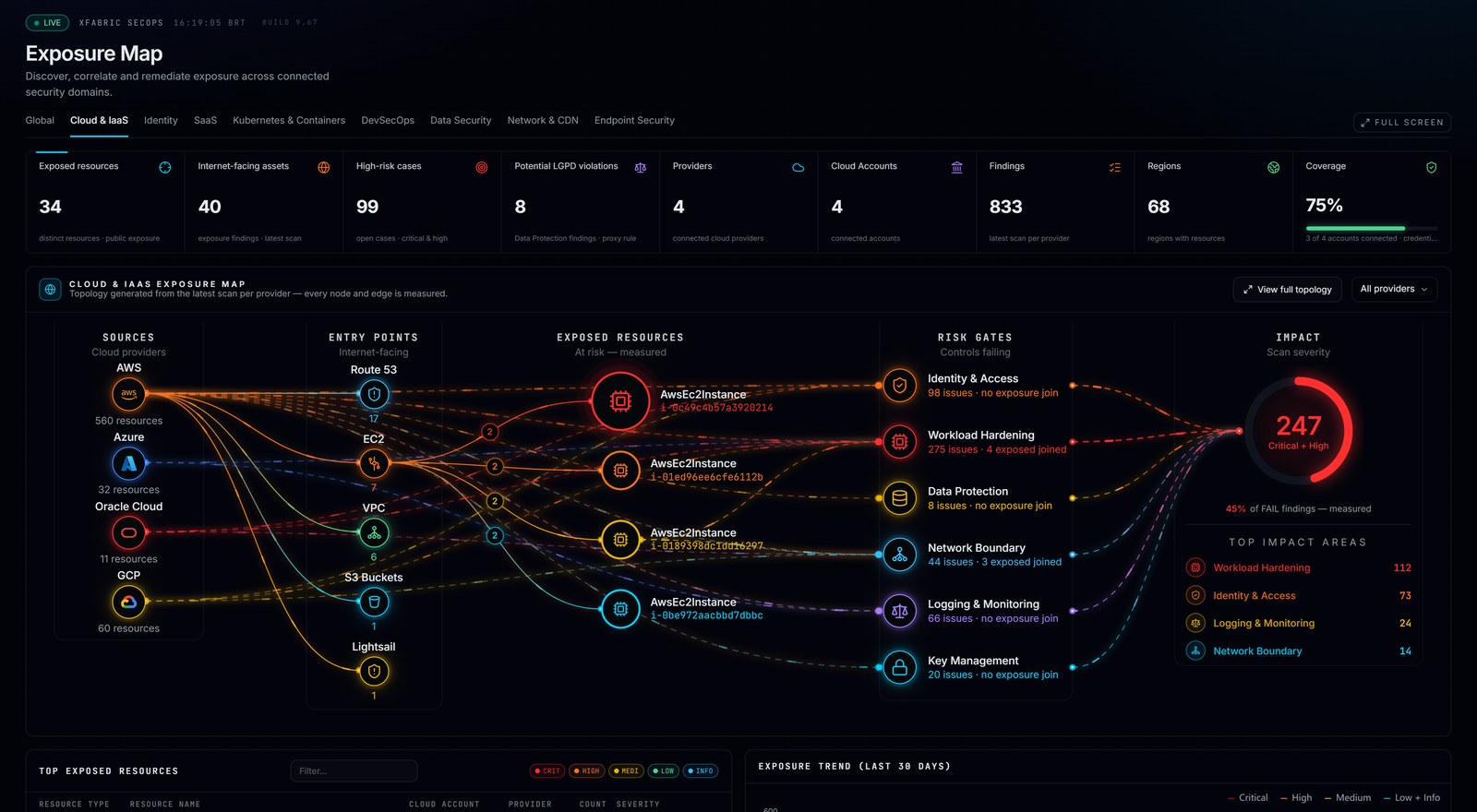
Architecture notes, operating models and evaluation criteria for CNAPP, API Security, AI Sec, CTEM, XDR, SIEM, EDR and vulnerability management. Every article ships with the console screens the operation actually uses, and every domain has a full white paper for download.
Models, prompts, embeddings, agents and tool permissions are production assets with their own failure modes. Governing them requires an inventory, an evaluation harness and runtime detection built for AI-specific abuse.
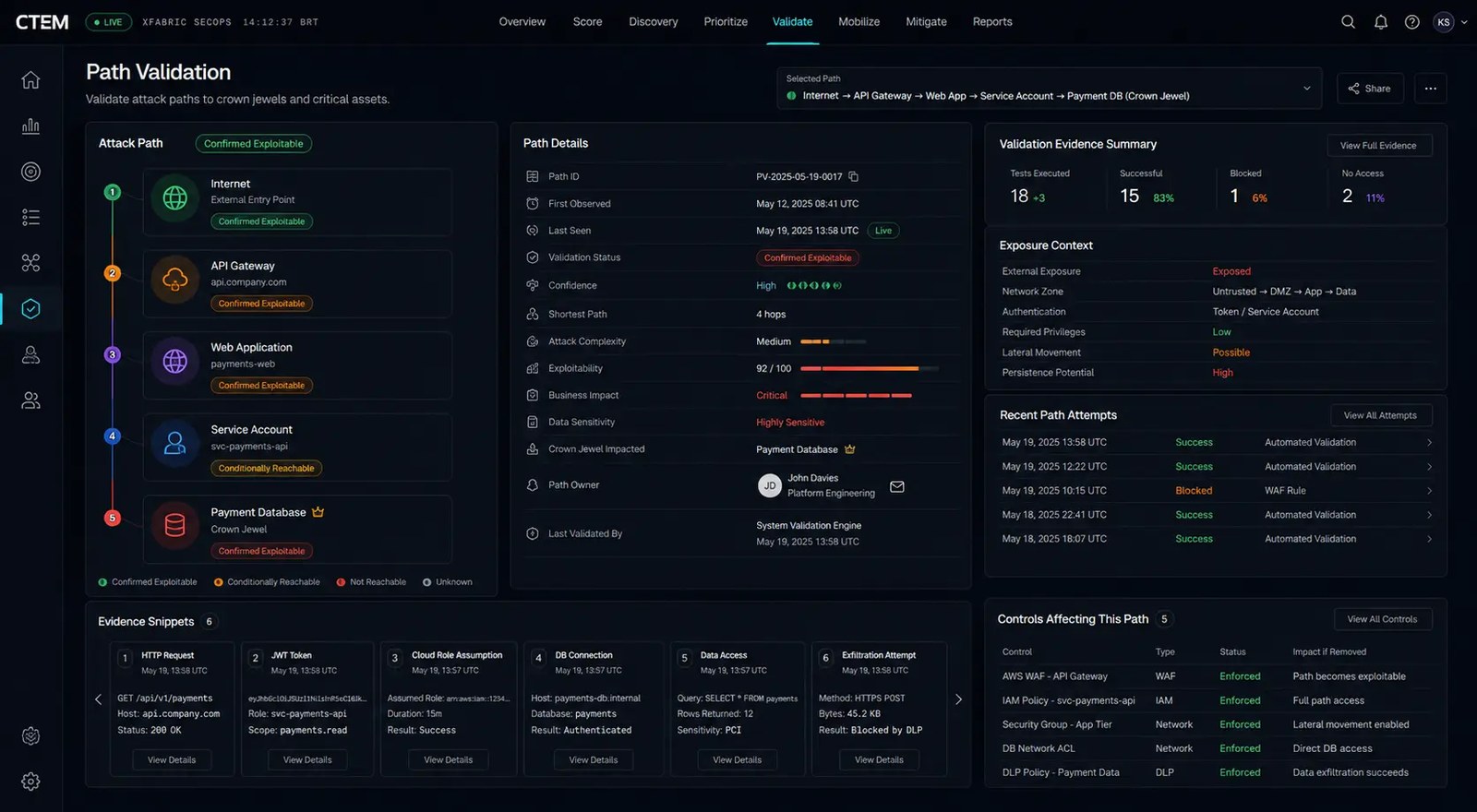
Every cloud scanner produces more findings than any team can process. The differentiating capability is not detection breadth — it is the ability to prove which exposures are reachable, what they reach, and in what order they must be closed.
Detection coverage is usually lost in a budget meeting, not in an architecture review. Separating ingestion cost from search cost, and normalizing at ingest into a common data model, is what keeps coverage and cost from trading against each other.
Organizations cannot protect endpoints they cannot enumerate. Discovery from live traffic, contract conformance and authorization testing form the sequence that turns an unknown API surface into an enforceable one.
Attacks cross endpoint, identity, network and cloud control plane within minutes. An operation that reviews those domains in separate consoles will reconstruct the sequence after containment mattered.
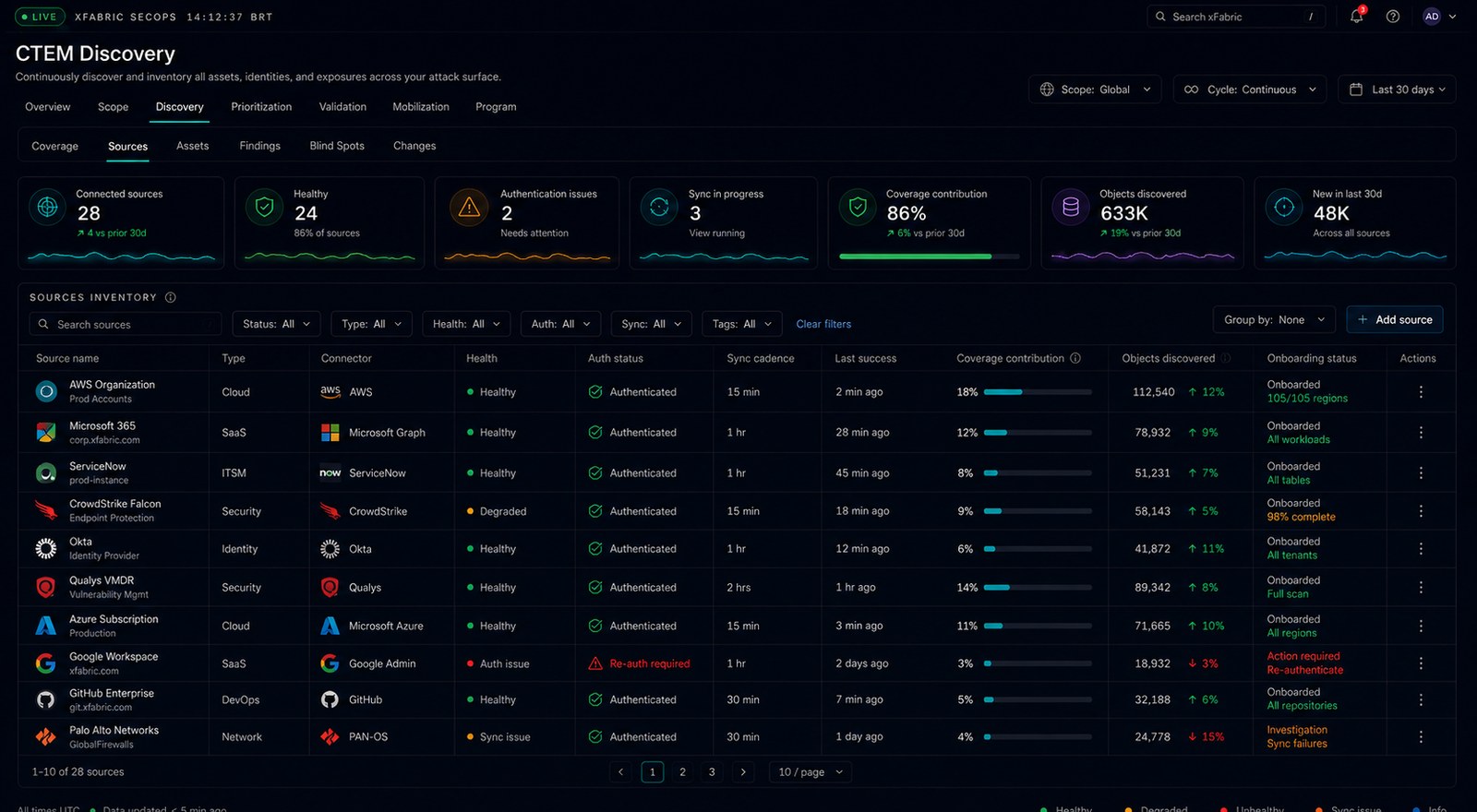
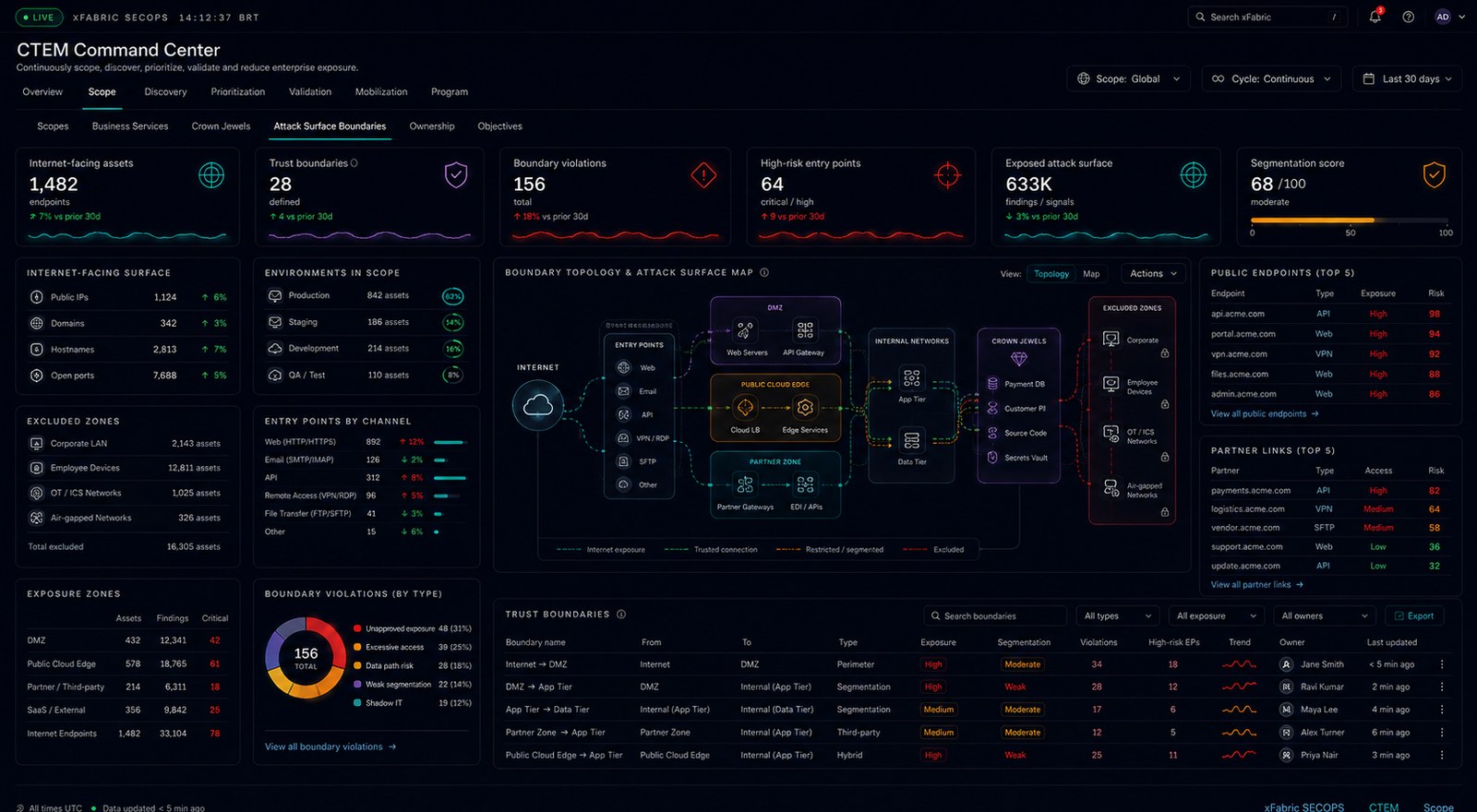
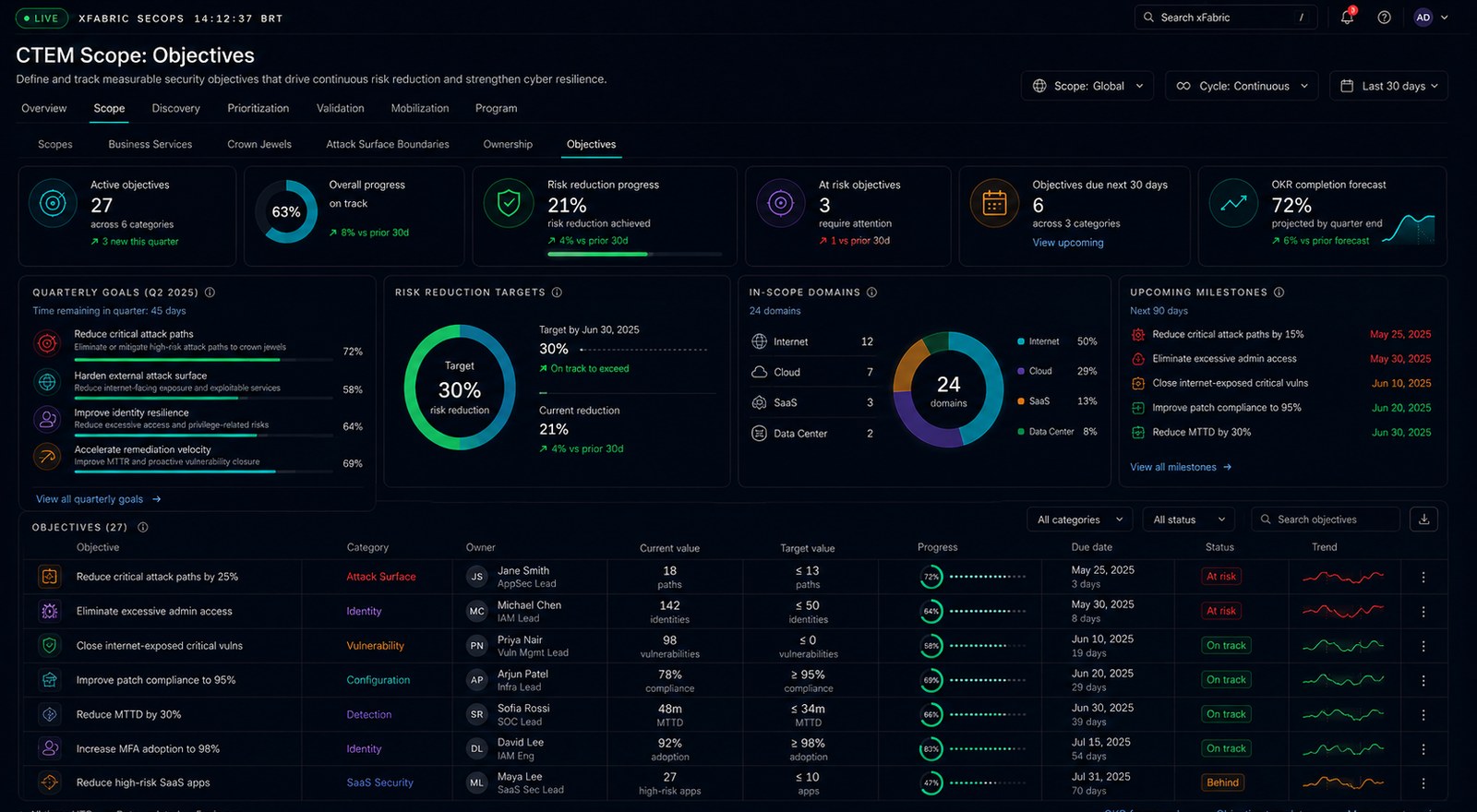
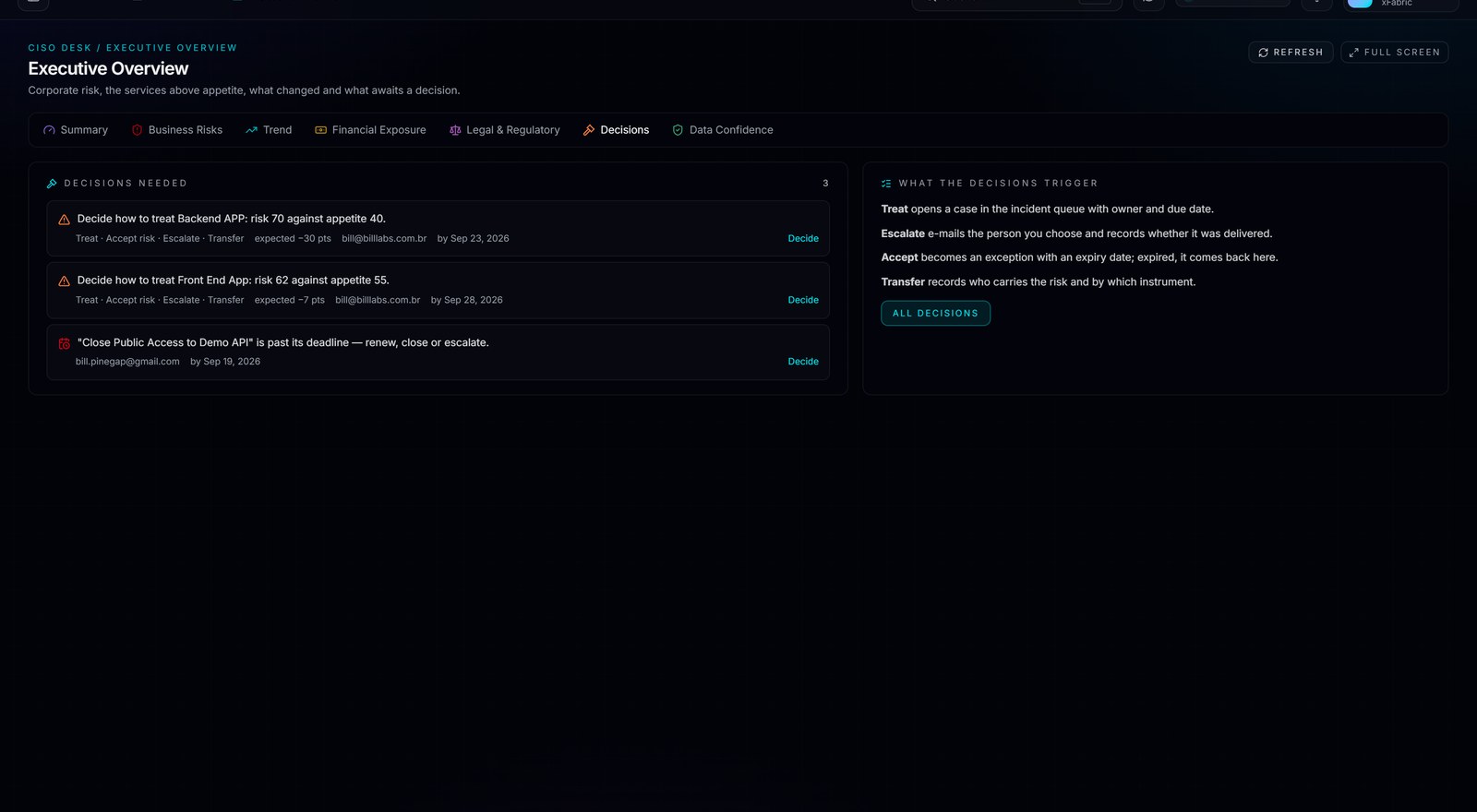
Continuous threat exposure management fails in the fourth stage. Scoping, discovery and prioritization are tractable with tooling; validation and mobilization require authority, evidence and a cadence the business accepts.
Unsanctioned AI usage is a data-egress problem with a productivity motive. Blocking first produces circumvention; measuring first produces a policy the business will actually follow.
CVSS describes a defect in the abstract. Remediation capacity is finite and local. A vulnerability program converges only when ranking combines exploit intelligence, code reachability, asset criticality and the controls already in place.
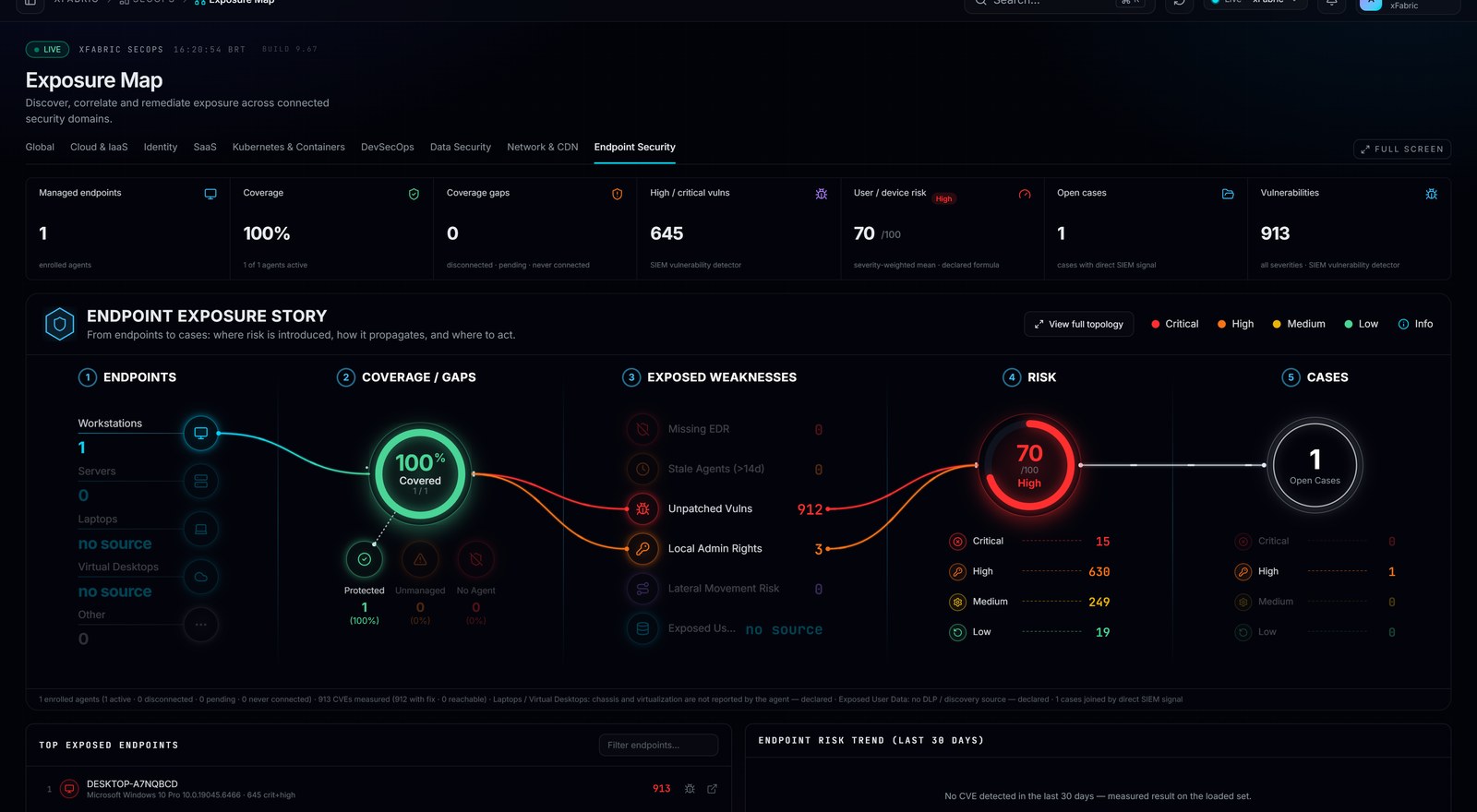
The two questions that decide endpoint outcomes are whether the sensor is running everywhere it must, and whether containment completes within a stated time. Feature comparisons rarely change either.
A posture program that reports the same misconfiguration every week is not a control; it is a report. Convergence requires guardrails at the point of change, exception governance with expiry, and ownership derived from infrastructure code.
Cloud incidents rarely traverse the network for long. They traverse entitlements. Reducing standing privilege is the highest-leverage control available, and it can be done without becoming an obstacle to delivery.
The question is never whether to automate. It is which playbook has earned the right to run without a human, and what evidence supports that promotion.
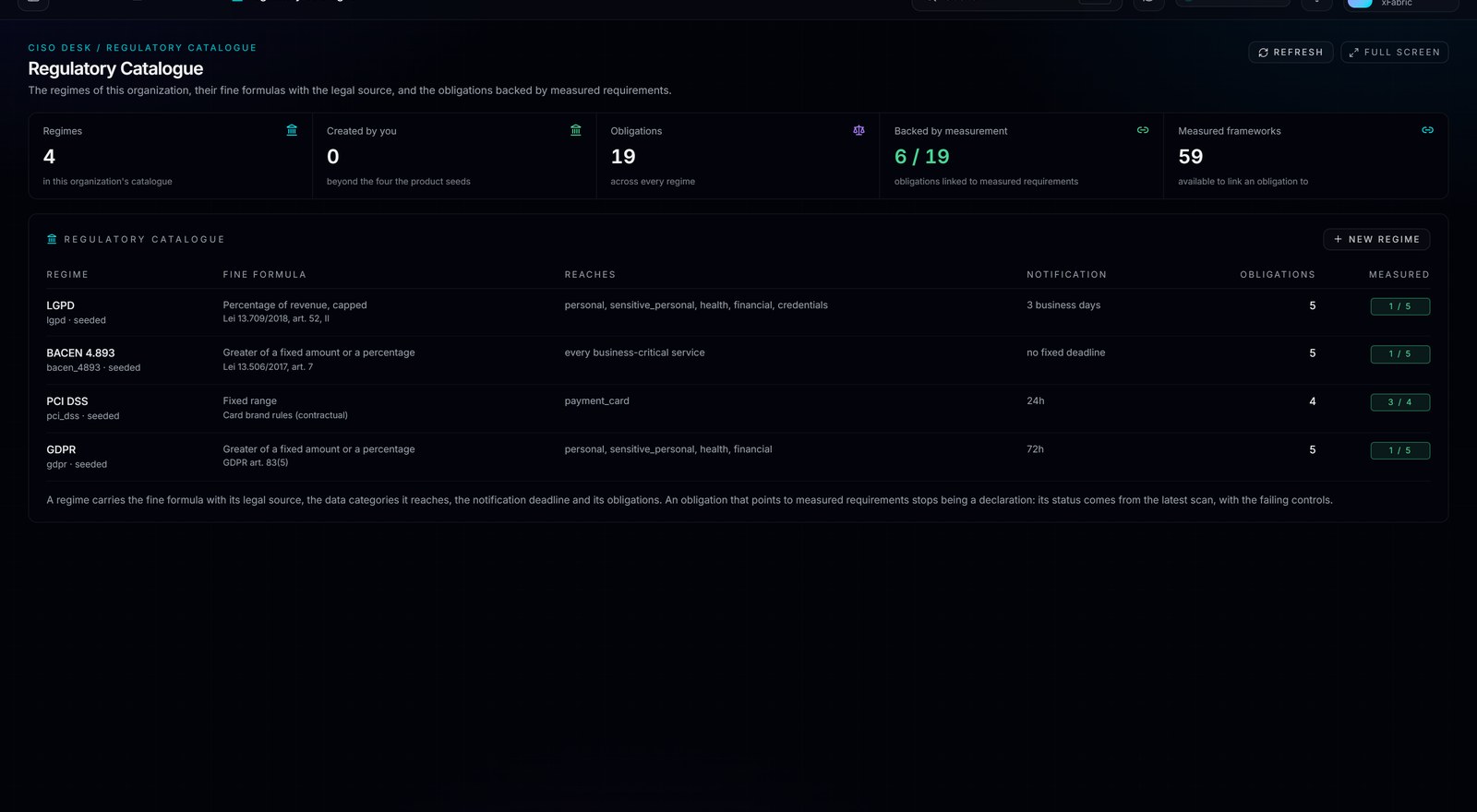
Most organizations have the controls. What they lack is evidence with lineage, collected continuously, mapped once to many frameworks. That gap is what turns every audit cycle into a quarter of manual work.
An architecture session against your real inventory of telemetry sources, workloads, APIs, models and identity surface. The first conversation is technical.